How to Fall Asleep Fast and Sleep Better: A Friendly Guide for Real Life
For anyone who has ever stared at the ceiling at 2 AM and thought, "Why am I suddenly remembering that embarrassing thing from middle school?"
Introduction: Meet Sam, Professional Ceiling Inspector
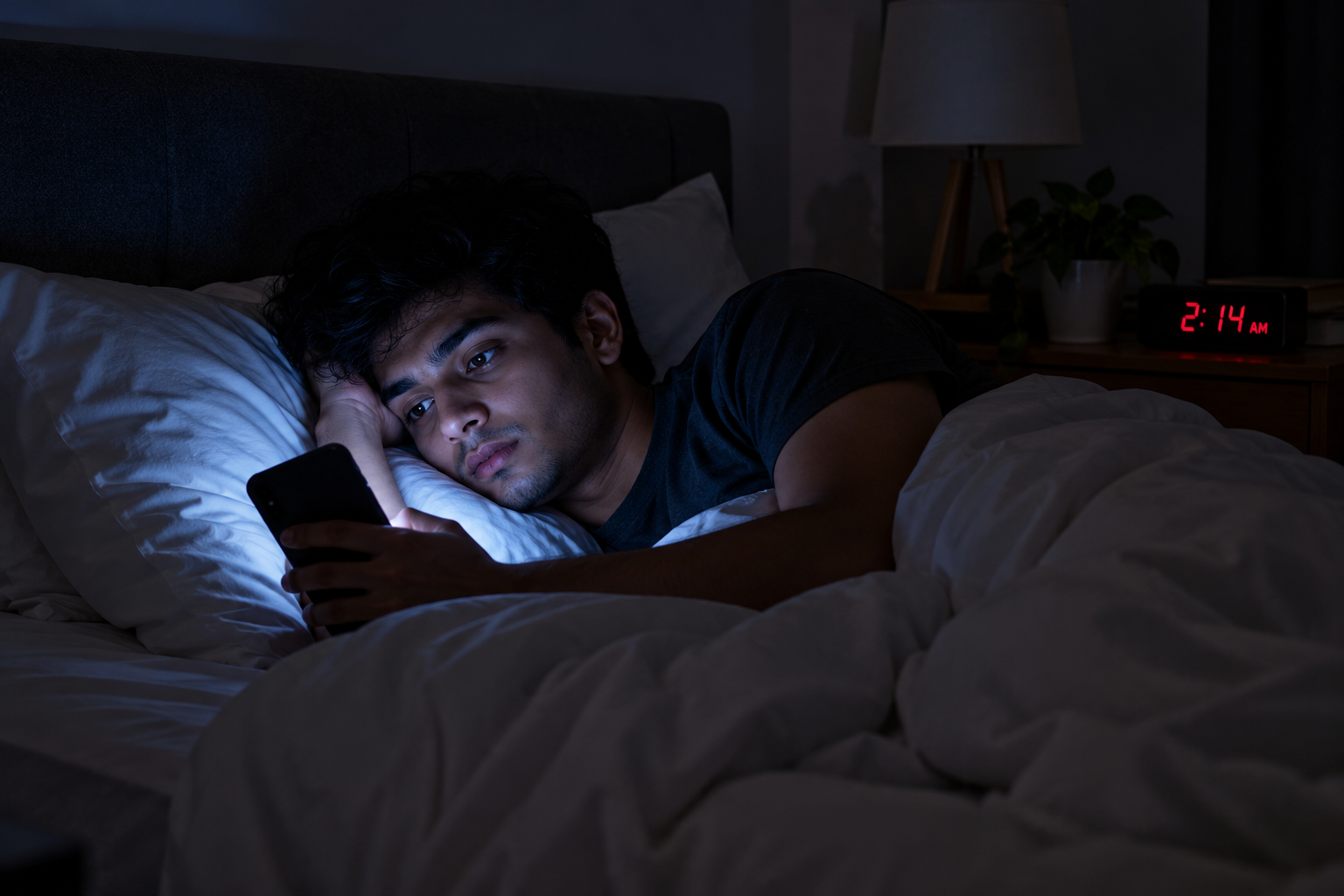
It is 2:14 AM. Sam is lying in bed, wide awake, and doing math nobody asked for. "If I fall asleep right now, I'll get four hours and forty-six minutes. If I fall asleep in ten minutes, four and a half. Okay, but if I fall asleep in five..."
Sam's body is exhausted. Sam's brain, however, has decided this is the perfect time to replay a conversation from 2016, plan a trip to Portugal that will never happen, and wonder whether the fridge light really turns off when the door is closed.
If this feels familiar, you are in very good company. Surveys on both sides of the Atlantic keep finding the same thing: roughly one in three adults in the United States and a similar share of adults across Europe say they don't get enough sleep, and plenty of people struggle to fall asleep or to stay that way. In Chicago, Berlin, Madrid, and Stockholm, people are all lying in the dark, thinking the same slightly unhinged thoughts.
The good news is that sleep is a skill your body already knows. It just needs the right conditions, the same way a houseplant needs light and water and not a toddler dumping juice in it. This guide gives you practical, science-backed tricks to fall asleep faster, stay asleep, and wake up feeling like a person.
What you'll learn:
- Why you can't fall asleep even when you're exhausted
- A simple evening routine that works
- How to set up your bedroom like a sleep cave
- Quick techniques for when your mind won't stop
- What to eat, drink, and avoid before bed
- What to do when you wake up at 3 AM
- When it's time to talk to a doctor
Part 1: Why Can't I Sleep? (The Short, Honest Answer)
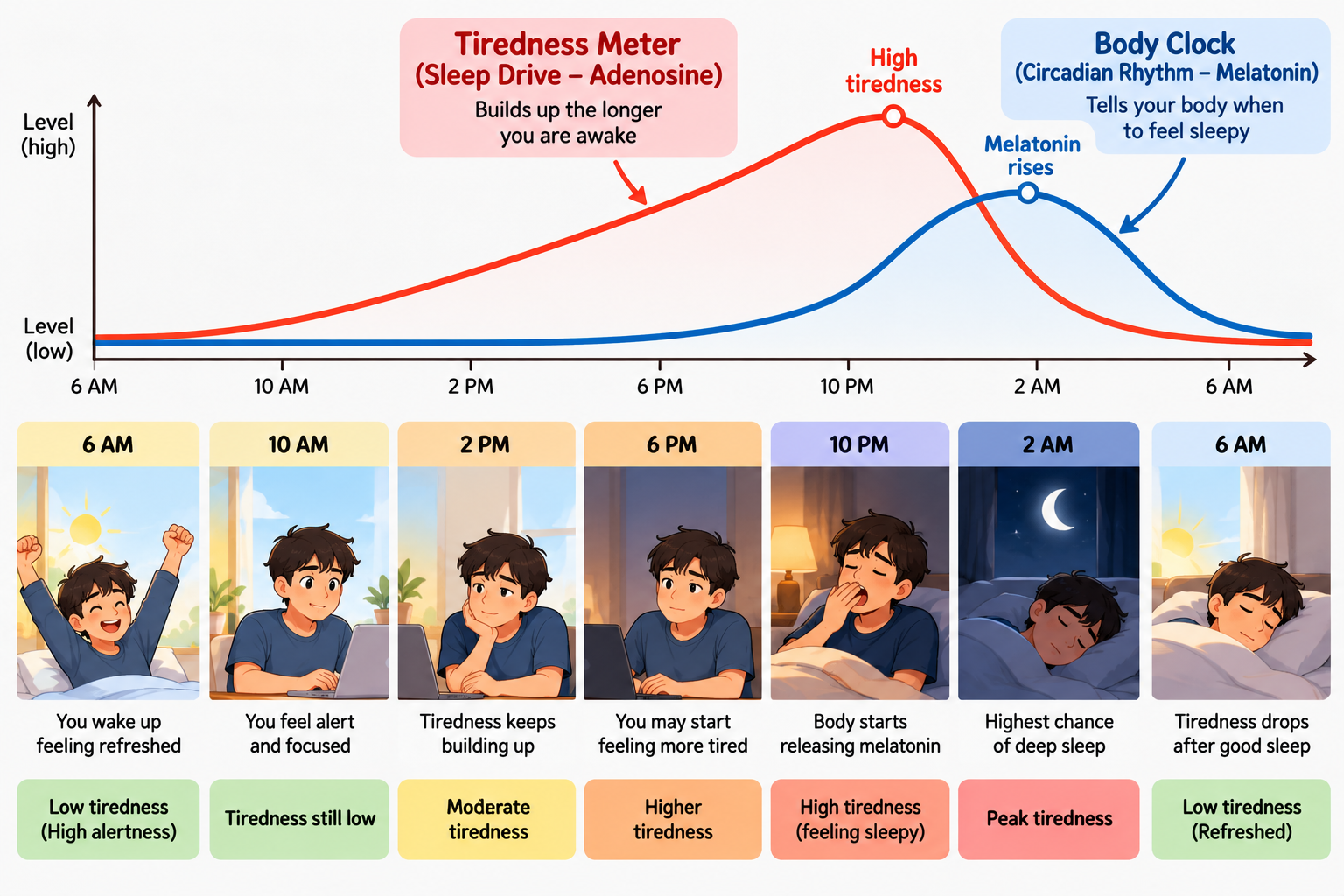
Sleep is run by two systems working together, and when either of them gets confused, you end up staring at the ceiling.
The sleep pressure system
The longer you're awake, the more a chemical called adenosine builds up in your brain. Think of it like a "tiredness meter" that fills all day. When it's full, you feel sleepy. Caffeine works by blocking the receptors that detect it, which is why coffee feels like energy but is really just a tiredness curtain. The meter is still filling behind it.
The body clock system
Your internal clock, also called your circadian rhythm, runs on a rough 24-hour cycle. Light is its boss. Bright light in the morning says "it's daytime," and darkness in the evening says "time to make melatonin." The trouble is modern life. We have bright overhead lights at 10 PM, glowing screens in bed, late dinners, and irregular schedules, so the clock gets confused.
The thing nobody warns you about: trying too hard
Here is the cruel joke. The harder you try to sleep, the more awake you get. Sleep isn't something you can force, like lifting a box. It's more like trying to remember a name: the more you chase it, the further it runs. Almost every tip in this guide is about creating the right conditions and then getting out of the way.
Quick takeaways
- Sleepiness builds up all day; caffeine only hides it.
- Your body clock is controlled mainly by light.
- Trying hard to sleep usually backfires.
Part 2: The Foundation (Daytime Habits That Make Night Easier)
Surprise: great sleep starts when you wake up, not when you turn off the lights.
Get morning light
Within an hour or so of waking, get 10 to 20 minutes of outdoor light if you can. Walk the dog, stand on the balcony, or drink your coffee on the step like a slightly confused sunbathing penguin. This anchors your body clock so that you feel sleepy at the right time that night. It matters even more in northern Europe and the northern US in winter, when you might leave for work in the dark and come home in the dark. In that case, go outside at lunch, even if it's gray. Outdoor light on a cloudy day is still far brighter than your office lighting.
Keep a steady schedule
Try to wake up at roughly the same time every day, weekends included. Your body loves routine. A swing of an hour or so is fine, but if you sleep until noon on Sunday, you've basically flown across two time zones without leaving your house, and Monday morning will punish you with a pretty nasty case of "social jet lag."
Move your body
Regular exercise is linked to falling asleep faster and sleeping more deeply. Any movement counts: a brisk walk, cycling to work (hello, Amsterdam and Copenhagen), a yoga class, a jog, or a game of pickup basketball. Just avoid very intense workouts right before bed if they leave you wired. For some people, a hard evening workout is fine, but for many, finishing a couple of hours before bed works better.
Be smart with caffeine
Caffeine can linger in your system for many hours, so that "harmless" 4 PM espresso or iced latte may still be waving at you at midnight. A common guideline is to stop caffeine around 8 hours before bedtime, and earlier if you're sensitive. Yes, that includes tea, cola, energy drinks, and the surprising amount of caffeine in dark chocolate.
Rethink the nightcap
A glass of wine or a beer can make you drowsy, which is why so many people think it helps. But alcohol breaks up sleep later in the night, cuts down on REM sleep, and often leads to that 3 AM "why am I awake?" moment. A drink with dinner is fine for many people. A drink as a sleeping pill is a bad trade.
Watch the napping
A short nap, about 10 to 20 minutes, in the early afternoon can feel great. A two-hour nap at 5 PM will steal sleep from tonight. If you're struggling with falling asleep, keep naps short and early, or skip them for a while.

Quick takeaways
- Morning light plus a steady wake-up time is your sleep foundation.
- Move daily, and finish intense workouts a few hours before bed.
- Caffeine early, alcohol light, naps short.
Part 3: Build Your Sleep Cave (The Bedroom Setup)
Your bedroom should be about two things: sleep and, well, other adult-only relaxation. It should not be your office, cinema, and complaint department.
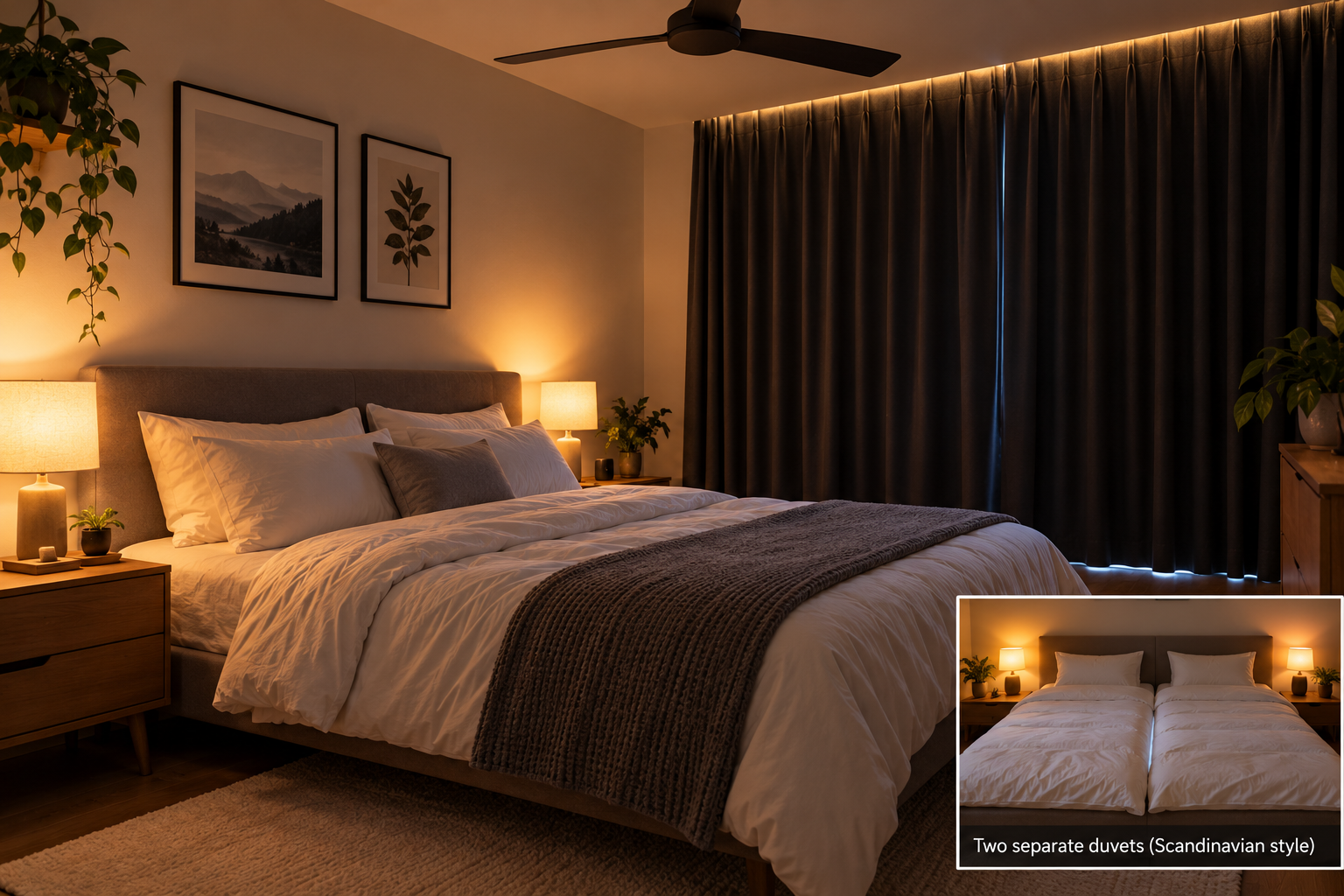
Make it cool
Most sleep experts suggest a bedroom temperature around 65 to 68°F (about 18 to 20°C). Your body temperature naturally drops as you fall asleep, so a cool room helps. If you tend to run hot, a fan, lighter bedding, or breathable fabrics like cotton or linen can help a lot. Warm feet help, though, so some people sleep better in socks, and a warm shower before bed can help too: the drop in body temperature afterward signals sleep.
Make it dark
Even small amounts of light can disrupt sleep. Blackout curtains, or a good eye mask, are some of the best sleep purchases you can make, especially if you live in the long summer evenings of Scandinavia or Scotland, or near a bright city street. Cover or turn around any glowing electronics. If you need a night light, choose a dim, warm, amber one rather than a bright white one.
Make it quiet (or consistently noisy)
Sudden noises wake you up, so if your neighbor drops things, traffic roars, or the street hosts a late-night party, white noise can help mask them. A fan, a white-noise machine, or an app with rain or ocean sounds works well. Earplugs are a classic, cheap, and underrated option.
Invest in comfort
A mattress that doesn't hurt your back and a pillow that suits your sleeping position matter, but you don't need to spend a fortune. If your mattress is more than 8 to 10 years old and you wake up stiff, it's worth considering an upgrade. And here's a tip borrowed from Scandinavia: the so-called "Scandinavian sleep method" gives each person in the bed their own duvet. It sounds unromantic, but it means no more midnight blanket wars, and plenty of couples swear by it.
Keep the bed for sleep
If you work, watch TV, and scroll in bed, your brain starts to link the bed with being awake and alert. Try to use it for sleep (and intimacy) only. If you live in a studio apartment in New York or a tiny flat in London and have no choice, create a "work zone" and a "sleep zone" with a lamp, a rug, or a screen, even if they're two feet apart.
Quick takeaways
- Cool (65 to 68°F / 18 to 20°C), dark, quiet.
- Use blackout curtains or an eye mask, plus white noise if needed.
- Keep work and TV out of bed.
Part 4: The Wind-Down (Your Evening Routine)
You wouldn't slam on the brakes from 70 mph to zero. So why do we try to go from "answering emails" to "deep sleep" in one minute?
Set a "last call" for screens
Try to stop screens 30 to 60 minutes before bed. The light from phones and tablets can interfere with your body clock a bit, but honestly, the bigger problem is the content. Work emails, bad news, a friend's vacation photos, and an argument in the comments are all very good at waking your brain up. If you can't give up your phone entirely, turn on night mode, dim the brightness, and choose something calm, like an audiobook or a podcast with a sleepy voice.
Dim the lights
An hour or two before bed, switch to lamps and warmer, softer lighting. It's like telling your brain, "The day is ending." It also makes the whole house feel cozier, which is a nice side effect.
Do a brain dump
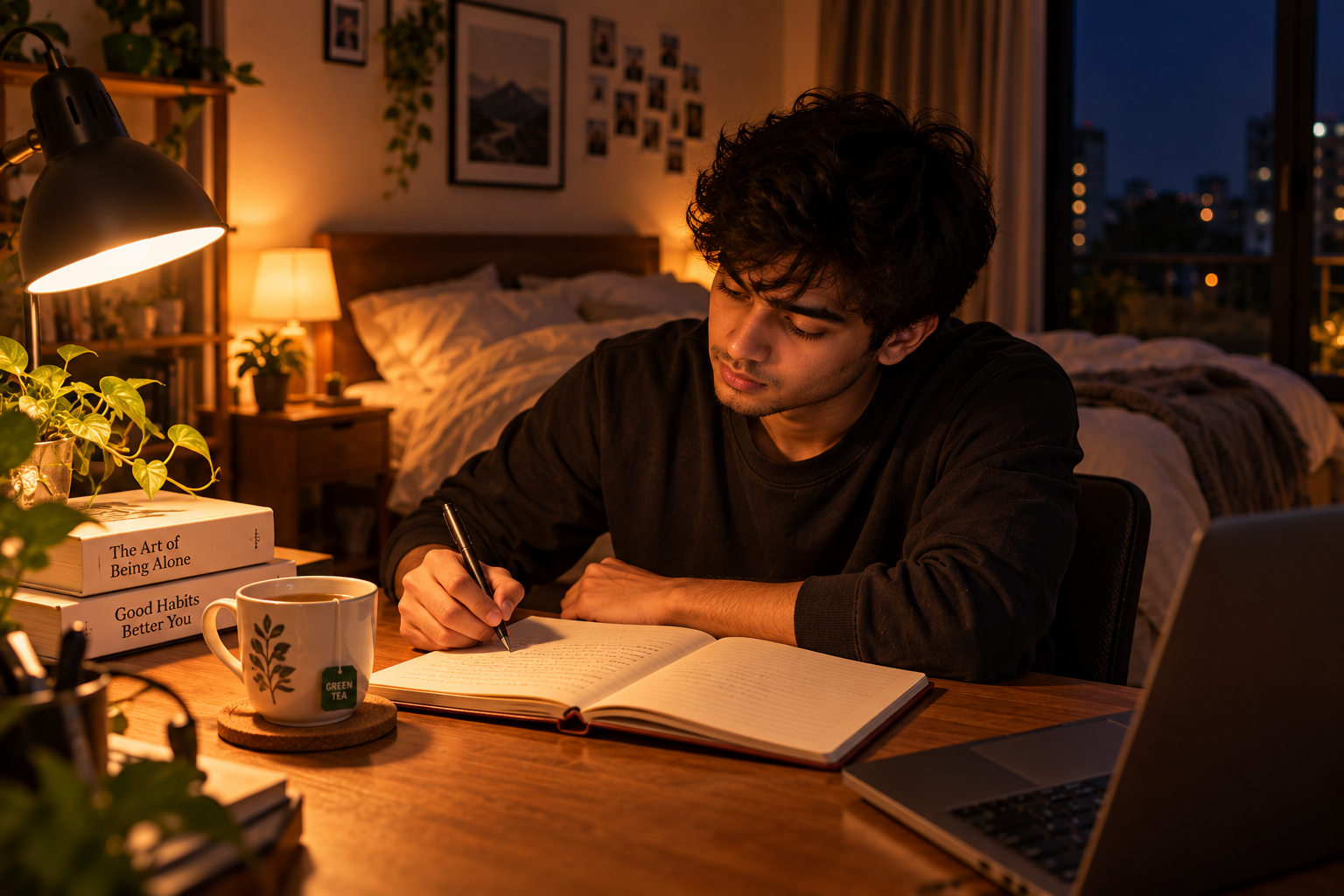
If your mind is a browser with 47 tabs open, close them on paper. Grab a notebook and spend five minutes writing down tomorrow's to-do list, worries, or random thoughts. Research suggests that writing a specific to-do list for the next day can help people fall asleep faster. Your brain stops saying, "Don't forget to email Karen!" because it's safely on the list.
Take a warm shower or bath
A warm bath or shower an hour or so before bed can help you fall asleep sooner. Once you step out, your body cools down, which sends a natural "sleepy" signal.
Try something calming
Pick one or two things that you actually enjoy:
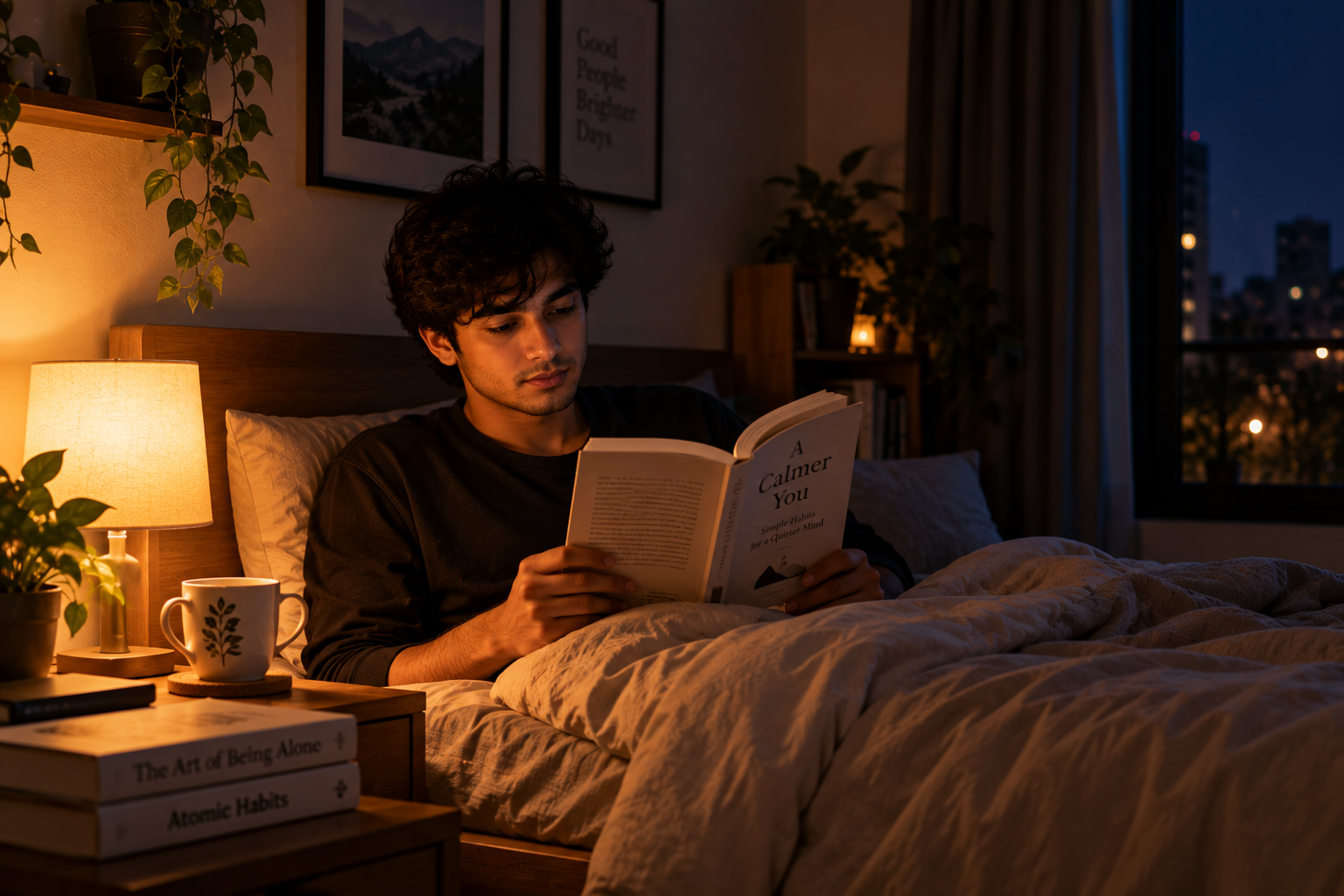
- Reading a physical book (not a thriller that makes you stay up until 2 AM)
- Gentle stretching or yoga
- Listening to soft music, a sleep story, or a podcast
- A cup of caffeine-free herbal tea such as chamomile
- Journaling or a short gratitude list
- A few quiet minutes of chatting with your partner, or just cuddling the cat
A note on dinner
Try to finish eating about 2 to 3 hours before bed. A huge, rich meal right before sleeping can cause heartburn and restless sleep. Of course, in countries like Spain, dinner often happens at 9 or 10 PM, and plenty of people sleep fine. The key is a lighter meal if your dinner is late, and paying attention to how your body feels. And if you go to bed hungry, a small snack, like a banana, a bit of yogurt, or toast with peanut butter, is fine. A midnight pizza is not.
Quick takeaways
- Screens off 30 to 60 minutes before bed; dim the lights.
- Write tomorrow's to-do list down.
- Warm shower, calming activity, lighter dinner.
Part 5: When You're in Bed and Your Brain Won't Stop
You did everything right. You're in the sleep cave. The lights are off. And your brain says, "Hey, do you remember the time you called your teacher 'Mom' in front of everyone?" Here are tools for exactly this moment.
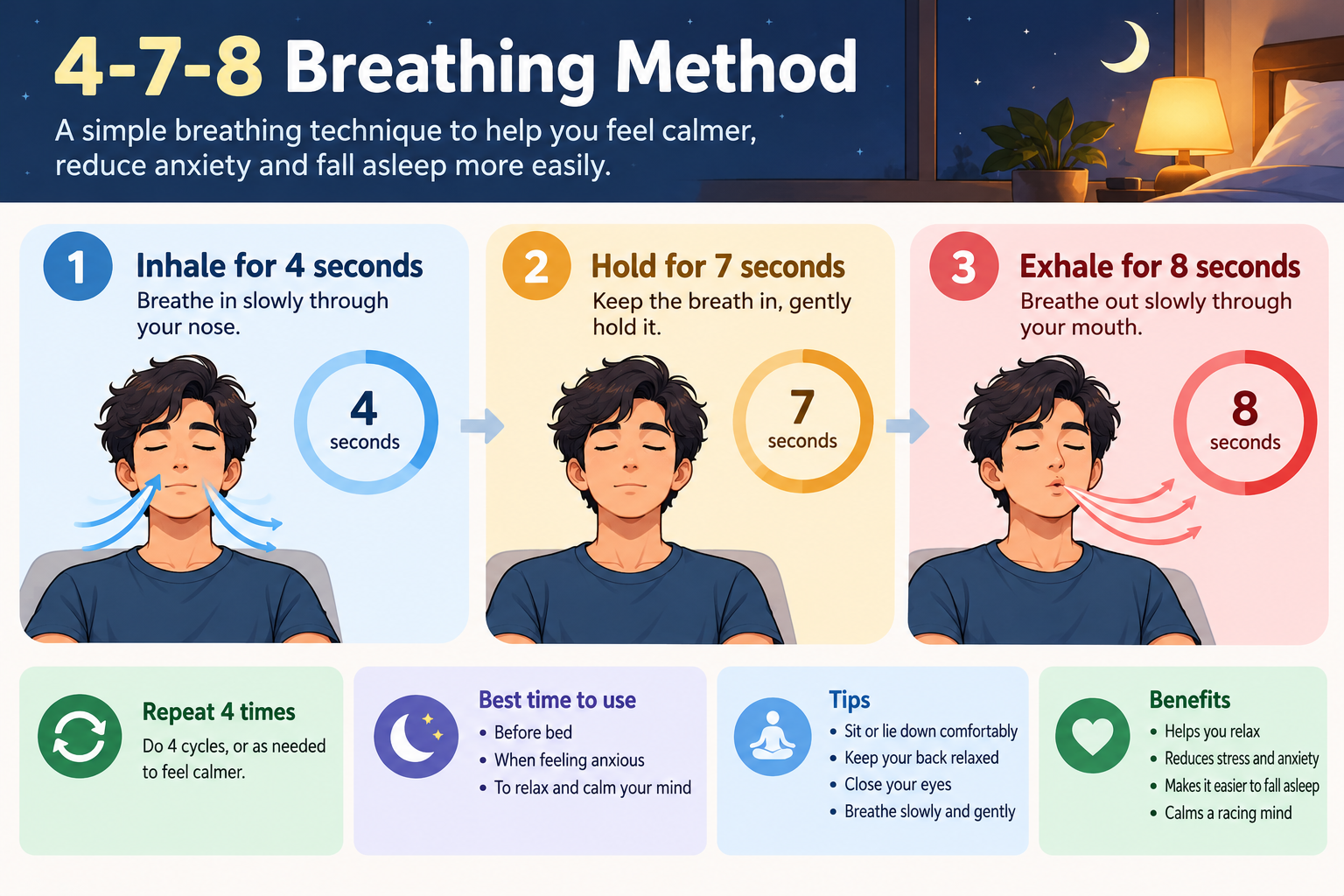
1. Slow, deep breathing (the 4-7-8 or the "long exhale")
The popular 4-7-8 method goes like this: breathe in through your nose for 4 seconds, hold for 7, and breathe out slowly through your mouth for 8. Repeat 4 or 5 times. If holding your breath feels uncomfortable, simply make your exhale longer than your inhale, such as in for 4 and out for 6. A long exhale helps calm your nervous system.
2. Progressive muscle relaxation
Starting at your toes, tense a group of muscles for about 5 seconds, then release for 10 to 15 seconds. Move up through your calves, thighs, stomach, hands, arms, shoulders, and face. By the time you reach your jaw, you may have forgotten what you were worrying about. (You can also unclench your jaw. Many of us are doing it right now.)
3. The mental walk
Instead of fighting your thoughts, give your brain a calm job. Imagine a walk through a place you love: a beach, a forest, your grandmother's kitchen. Notice the details: sights, sounds, smells. Or do the "alphabet game": pick a category like animals and think of one for each letter, A through Z. It's boring enough to lull you off, but just engaging enough to keep the 2016 file closed.
4. Let go of the clock
Turn your clock away from you. Checking the time at 3:12 AM and calculating how many hours are left is a recipe for anxiety. Remember: lying quietly in the dark with your eyes closed still gives your body a good deal of rest, even if sleep hasn't arrived yet.
5. The 20-minute rule
If you've been awake for what feels like 20 minutes or so, don't lie there and wrestle. Get up, go to another room, and do something quiet and boring in dim light, like reading a dull book, folding laundry, or listening to calm music. Go back when you feel sleepy. Avoid screens and bright light. This keeps your brain from linking your bed with frustration.
6. Try a "paradoxical" trick
Strangely, one approach that helps some people is to try to stay awake with your eyes open, calmly, in the dark. Take the pressure off. Often, sleep arrives right when you stop chasing it.
Quick takeaways
- Long, slow exhales calm your body.
- Give your brain a boring, calm job.
- If you can't sleep after about 20 minutes, get up and reset.
Part 6: Middle-of-the-Night Wake-Ups
Waking up at 3 AM is incredibly common. A short wake-up is a normal part of sleep, since we all briefly surface a few times a night. It only becomes a problem when we notice, panic, and start thinking, "I'm doomed."
Here's your plan:
- Don't check your phone. That bright screen and the news will wake your brain up fully.
- Don't check the clock. It has never once given anybody good news.
- Stay calm. Use your breathing or body relaxation tools.
- Get up if it drags on (the 20-minute rule), and return when sleepy.
- Remind yourself: "My body knows how to sleep. Resting is still helpful."
If you often wake up very early and can't get back to sleep, or you also feel low or anxious during the day, mention it to a doctor.
Part 7: Travel, Time Zones, and Daylight Saving Chaos
Both the US and Europe have the twice-a-year ritual of changing the clocks, and many of us feel like zombies for a few days afterward. A few tricks:
- Shift gradually. A few days before the clock change, move your bedtime and wake time by 10 to 15 minutes each day.
- Use light. Get outdoor light in the morning after the clocks change, to speed up your body clock's adjustment.